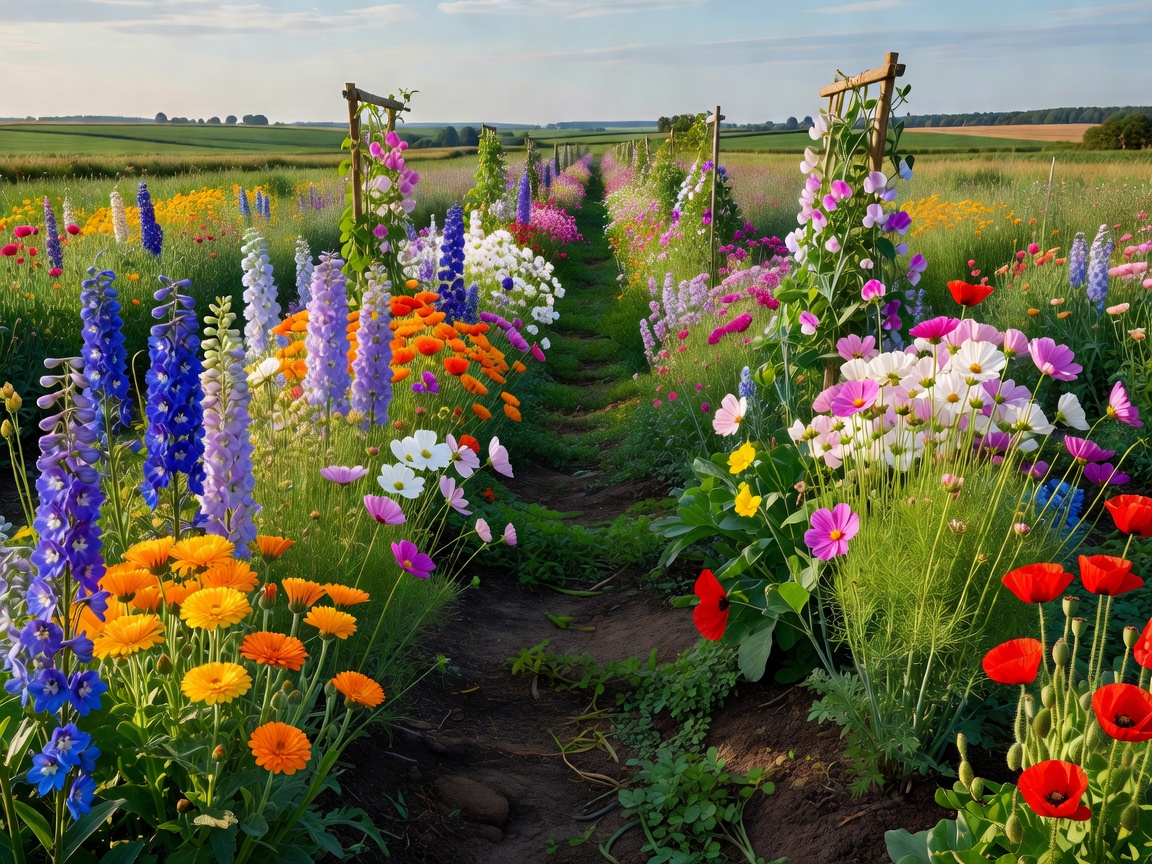
Across the international cut-flower trade, commercial practices have frequently relied on air freight logistics, heavy chemical inputs, heated winter glasshouses, and petroleum-based floral foam (phenol-formaldehyde plastic). In response, Danish florists and micro-growers have pioneered a rigorous regional approach known as the Scandinavian 'Slow Flower' movement.
The Foam-Free Mandate in Danish Ateliers
One of the most immediate shifts in Copenhagen’s botanical design scene is the proactive phase-out of green floral foam (often known under commercial trade names). When submerged in water, conventional floral foam sloughs off non-biodegradable microplastic particles that enter municipal water systems.
Leading florists across Greater Copenhagen utilize historic, mechanical alternatives that have reshaped arrangement aesthetics:
- Japanese Kenzan (Pin Frogs): Heavy brass and lead plates with vertical needles that secure stems upright in shallow water bowls, permitting multi-use over decades.
- Twisted Chicken Wire & Willow Armatures: Reusable galvanized wire netting shaped inside ceramic urns to anchor heavy stems without shedding polymer fragments.
- Water Reservoirs & Branch Twigs: Hand-tied bouquets stabilized with interlaced stems that rest directly against vase walls, maintaining stem hydration without intermediate chemical gels.
Regional Cultivation on Zealand & Funen
Rather than relying solely on global air imports from high-altitude equatorial producers, Danish studios establish direct supply arrangements with small-scale flower farms situated within 100 kilometers of Copenhagen. Regions like Lejre, Nordsjælland, and central Funen host regenerative farms utilizing no-till soil practices, organic compost topdressing, and cover cropping.
Because these crops are cultivated in natural field conditions without chemical pesticides, stems exhibit distinct natural traits: slightly uneven heights, tender outer guard petals, and genuine floral scents frequently lost in industrial commercial cultivars bred exclusively for shipping resilience.
Certification Labels in Denmark
When purchasing cut flowers or container specimens in Denmark, look for the official red Danish Organic label (Statskontrolleret Økologisk) or the Nordic Swan Ecolabel (Svanemærket). These guarantee strict compliance with banned synthetic pesticides, reduced energy inputs, and fair working standards.
Pros and Cons: Sustainable Sourcing Realities
| Factor | Locally Grown Slow Flowers | Imported Conventional Stems |
|---|---|---|
| Carbon & Energy Footprint | Minimal; relies on ambient sunlight and seasonal temperatures | High; refrigerated long-haul air freight and thermal greenhouse fuels |
| Winter Availability | Constrained primarily to dried botanicals, evergreen boughs, and cold bulbs | Year-round availability of non-native cultivars (e.g. tropical orchids, roses) |
| Biodiversity Impact | Supports regional pollinators, bees, and soil microbiome health | Risk of chemical runoff and localized monoculture land depletion |
| Vase Resilience | Varies by species; picked fresh within 24-48 hours of harvest | Artificially extended via chemical post-harvest treatments |
Educational Botanical Walks
Travelers interested in studying sustainable Danish botanical design can engage with community projects such as the municipal community gardens at BaneGaarden in Sydhavnen. These sites combine demonstration permaculture plots, heritage grain plantings, and educational workshops that instruct urban apartment dwellers on zero-waste floral styling and home compost management.